Because all of Mexico is Teuchitlán

Originally posted on It’s Going Down.
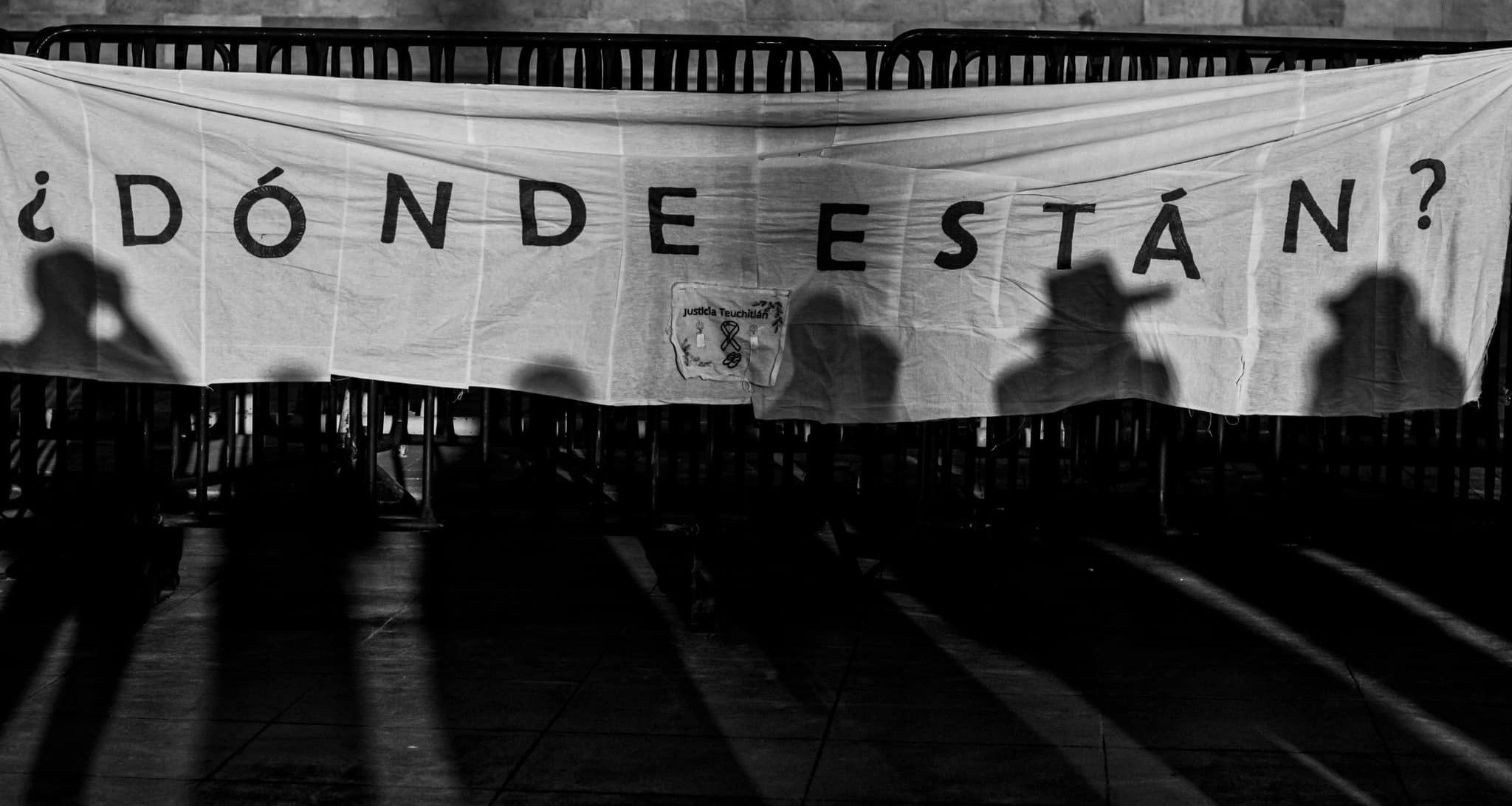
The following collective letter comes in response to the discovery in early March by searching families of a forced recruitment and extermination camp in Teuchitlán, Jalisco, near Guadalajara. It was translated by Scott Campbell.

To those who are not indifferent to the war:

The discovery of the exploitation, torture, and extermination camp in Teuchitlán, Jalisco, is a small and terrible example of the cruel human crisis that Mexico is living through as a result of the Drug War unleashed in 2006 and that has not ended. The pain of the families of the disappeared reaches practically every corner of the country and extends beyond our borders. At least 124,000 people have been disappeared, a devastating figure because they are not numbers nor entries in a database. They are boys, girls, youths, women, and men torn from their homes and communities. They are people we miss and who forgetting threatens to erase.

Disappearance – any disappearance – is an unjustifiable crime, regardless of its cause or motive, without excuses or nuances. The search – any search – is an inescapable obligation and calls us not to stop until we find them all, to commit ourselves to putting an end to the horror, regardless of what we do, our ideology, and our geography.

The pain, the indignation, and the rage caused by knowing that there are extermination camps in Mexico (although it seems that those from above avoid recognizing that these schools of terror are just that) should not be used by those who provoked this human crisis since 2006 nor by those who claim to have broken with the practices of the past while repeating its vices. Nor by those inside and outside of Mexico who see in the pain a political, business, or interference opportunity.

Continue reading
When the horror comes to light again. March 15 in Mexico: National Mourning

Originally posted on It’s Going Down.

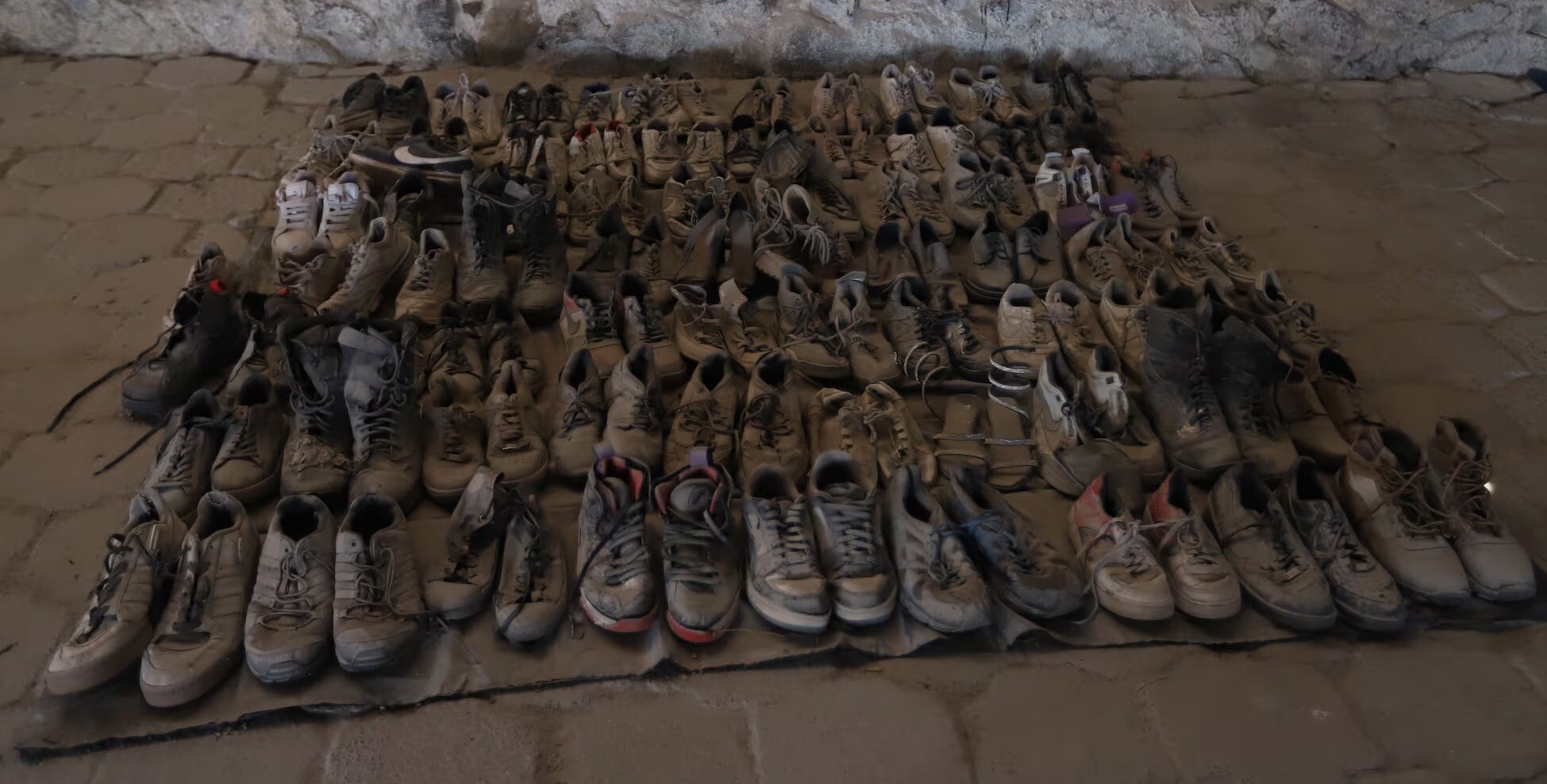
On March 5, the Warrior Searchers of Jalisco, a collective of family members of the disappeared, found a gruesome scene on a ranch in Teuchitlán, near Guadalajara, Jalisco. There, at a location supposedly searched by the state government in September 2024, they found three cremation ovens, clandestine graves, hundreds of human remains, and countless personal items and clothing, along with lists of names. The discovery of the forced recruitment and extermination camp run by the Jalisco New Generation Cartel (CJNG) has sent shockwaves throughout Mexico. It is a moment that makes plain the profound severity of the crisis gripping the country and the collective trauma endured after nearly twenty years of the so-called “drug war.” Civil society organizations have called for Saturday, March 15, to be a day of national mourning, with no place for politicians. The below text by Silvia L. Gil, published in Revista Común and translated by Scott Campbell, wrestles with the significance of what was found in Teuchitlán and what might be needed to counter the horror.

Several years ago, I heard a colleague say that in order to stop evil from reproducing itself, we had to stop denying it. She argued that our societies had put on a blindfold. Although this may be true in some parts of the world, it seemed to me that in Mexico what we needed was more of a truce, to stop staring horror in the face. That the problem was not exactly that we should look more or better, but that to survive in the face of what we already saw we should stop looking. At least for a while. This apparent paradox – pain surrounds us, but we cannot become so sensitized as we run the risk of being paralyzed – is very important in this time when violence and extreme precarity have intensified. There comes a point at which we are unable to assimilate all that we see in a world of injustice. If in other latitudes with this situation – which we can call a global war against life – an answer is sought to the initial question of how to not deny the pain that is spreading throughout the world, in Mexico, the question did a double somersault: once we have seen it all, once we have moved beyond any fictional scenario, what kind of deep transformation of the human do we need so that the horror never repeats itself again?

Continue reading